Fast comparison
| Option | Best fit | Main tradeoff |
|---|---|---|
| Northbound | California to Pacific Northwest | Open-jaw flight |
| Southbound | Cool coast into California | Seasonal weather transition |
| Short repositioning | Low time commitment | Few destination days |
Pacific Coastal sailings are repositioning decisions
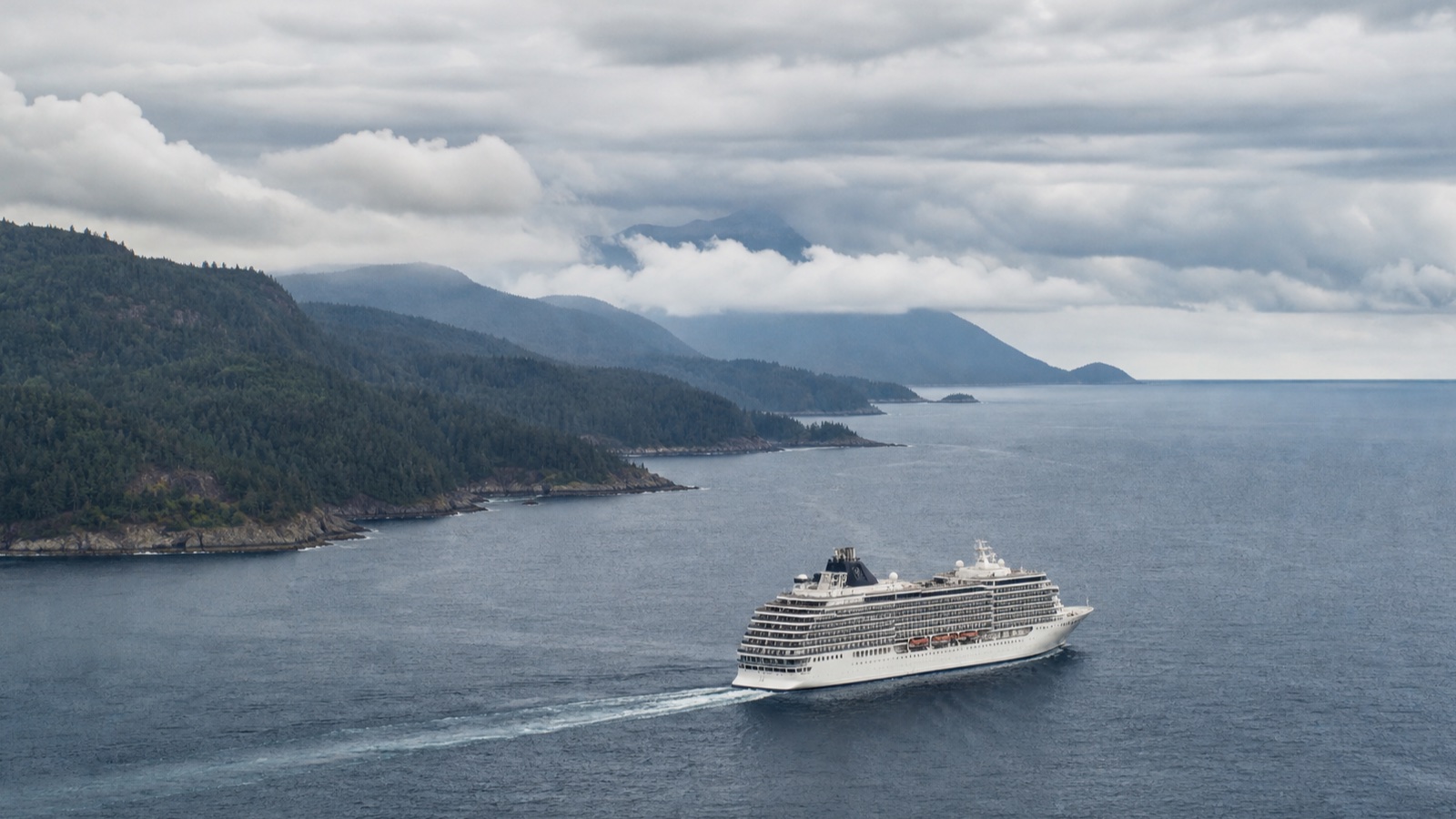
Pacific Coastal cruises often exist because ships are moving between seasonal programs. That can create attractive pricing and unusual port mixes, but the route may be one-way and less destination-dense than a purpose-built regional itinerary.
Compare the direction, gateway airports, luggage plan, hotel needs and both terminal transfers before treating the fare as the main advantage.
Weather changes along the coast
A sailing that connects California, Oregon, Washington or British Columbia can pass through different temperature, wind and rain patterns over a short trip. Pack for the route, not for the warmest port on the map.
Short calls and evening arrivals should be evaluated honestly. A low-cost repositioning cruise can still be good value, but only if the traveler wants the ship time and gateway combination.
Best fit and poor fit
This route fits travelers who like sea days, gateway cities and shoulder-season value. It is weaker for travelers who need a simple round trip, warm-water certainty or many long destination days.
Practical checklist
- Exact route and port sequence
- Physical terminal, berth or tender
- Gateway flight and hotel plan
- Weather and marine conditions
- Documents for every country
- Current fare and cancellation terms
Check current Pacific Coastal cruise options
Use a current cruise search only after choosing the route family, gateway and date window that fit this guide.
Compare before you leave the guide
- Match the option to your port day or sailing plan.
- Use provider pages for current details.
- Keep cruise line and port rules ahead of booking links.
Mexico and Pacific Coast cruise booking search via CruiseDirect
Best for: Travelers ready to compare current Mexico and Pacific Coast sailings, fares and cabin choices through CruiseDirect.
- Cruise search
- Los Angeles Cruises
- Gateway context
- Los Angeles (San Pedro)
- Booking check
- Verify live fare, taxes, fees, cabin category and cancellation terms on CruiseDirect before deposit.
- Trip fit
- CruiseGuide links to a CruiseDirect Los Angeles Cruises landing page. Verify the exact sailing, taxes, fees, cabin category, cancellation terms and final supplier conditions before deposit.
Affiliate disclosure: CruiseGuide may earn a commission if you book through these CruiseDirect links, at no additional cost to you. CruiseDirect links are OTA booking handoffs selected for route fit, not direct cruise-line official-site affiliate links.
Cruise fares, taxes, cabin categories and promotional terms change. Confirm every detail on CruiseDirect before paying a deposit.
Official sources
- princess.com — Official port, government, tourism or cruise-line source
- portofastoria.com — Official port, government, tourism or cruise-line source
- gvha.ca — Official port, government, tourism or cruise-line source