Fast comparison
| Option | Best fit | Main tradeoff |
|---|---|---|
| Late spring | Longer days and early-season atmosphere | Cooler conditions and variable operations |
| Mid-summer | Maximum daylight and broad activity choice | Peak demand and crowd pressure |
| Early autumn | Quieter feel and changing light | Shorter days and more weather sensitivity |
Daylight is part of the itinerary value
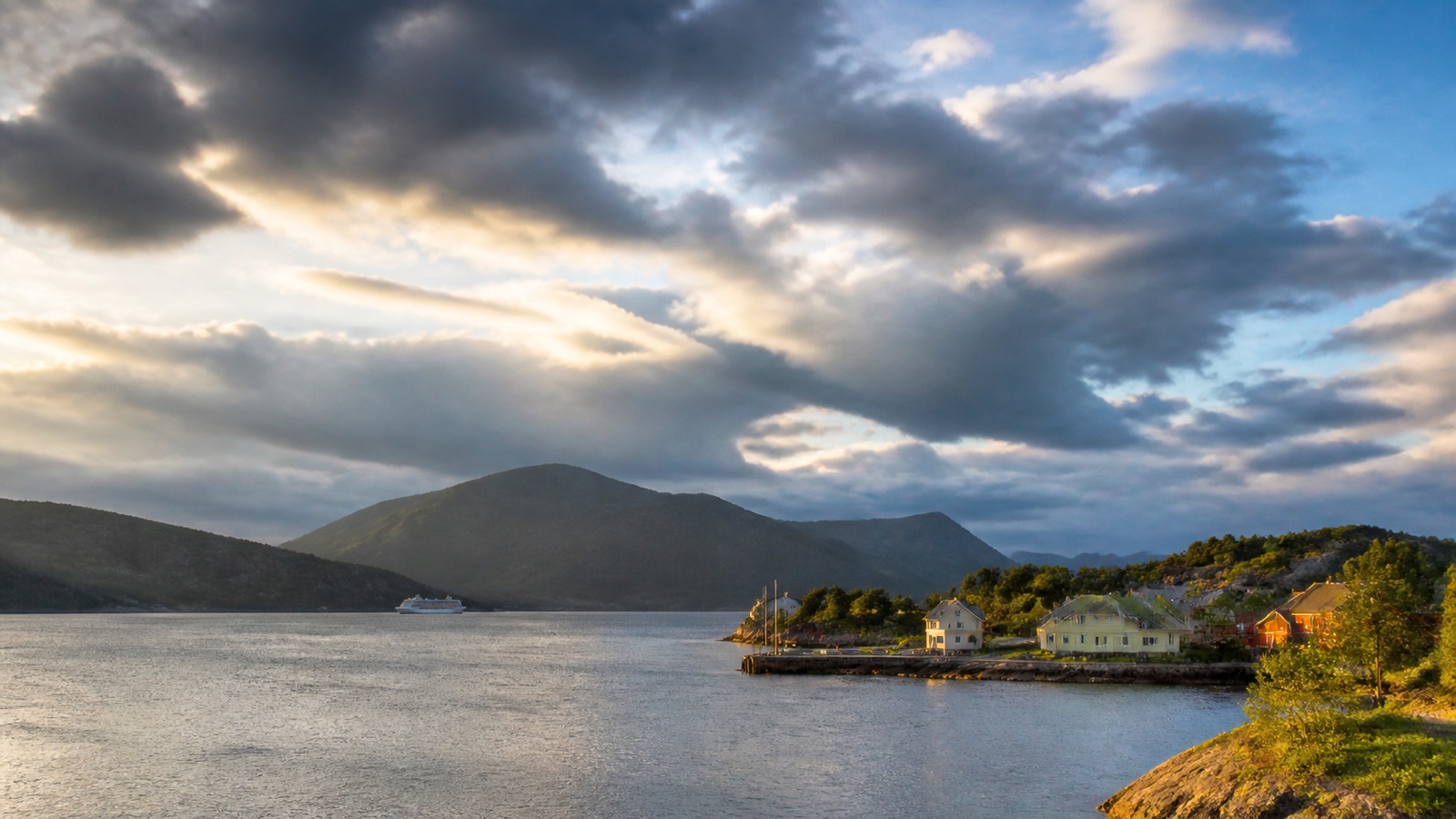
Northern Europe’s season question is partly about light. Long days can make fjord approaches, late city walks and scenic sailing more rewarding. Farther north, very long daylight can also affect sleep and pace, especially for families or travelers sensitive to schedule disruption.
Compare the route latitude, not just the month. Copenhagen, Iceland, Arctic Norway and the British Isles do not share one daylight or climate pattern.
Plan for bad weather without making it the whole story
Rain, wind and low cloud can affect viewpoints, tenders, boat tours and long nature drives. A good itinerary still has value when one outdoor plan changes. Choose routes with multiple satisfying days rather than a single fragile objective.
Packing and excursion decisions should assume changing conditions: waterproof shell, warm layer, indoor alternatives and clear cancellation terms.
Peak summer improves daylight but increases pressure
Mid-summer often brings broad operating choice and maximum light, but also higher demand around major capitals, fjord ports and limited-capacity excursions. Late spring and early autumn can feel calmer, with the tradeoff of cooler weather and shorter days.
Practical checklist
- Route latitude
- Expected daylight
- Rain and wind tolerance
- Crowd preference
- Current operating dates
Compare current cruise booking options
Use this handoff to compare current Northern Europe cruise sailings on CruiseDirect. CruiseGuide does not display live fares or cabin inventory, so verify the final itinerary, taxes, fees and cancellation terms on the provider site.
Compare before you leave the guide
- Match the option to your port day or sailing plan.
- Use provider pages for current details.
- Keep cruise line and port rules ahead of booking links.
Northern Europe cruise booking search via CruiseDirect
Best for: Travelers ready to compare current Northern Europe sailings, fares and cabin choices through CruiseDirect.
- Cruise search
- Cruise Europe
- Gateway context
- Southampton
- Booking check
- Verify live fare, taxes, fees, cabin category and cancellation terms on CruiseDirect before deposit.
- Trip fit
- CruiseGuide links to a CruiseDirect Cruise Europe landing page. Verify the exact sailing, taxes, fees, cabin category, cancellation terms and final supplier conditions before deposit.
Affiliate disclosure: CruiseGuide may earn a commission if you book through these CruiseDirect links, at no additional cost to you. CruiseDirect links are OTA booking handoffs selected for route fit, not direct cruise-line official-site affiliate links.
Cruise fares, taxes, cabin categories and promotional terms change. Confirm every detail on CruiseDirect before paying a deposit.
Official sources
- ncl.com — Official source used for route, port or travel-planning context
- princess.com — Official source used for route, port or travel-planning context
- hollandamerica.com — Official source used for route, port or travel-planning context